Planning Projects

(1) Cowichan First Nation
(2) Diamond Ave
(3) Bowen Island Seymour Landing
(4) Leq’á:mel First Nation Deroche
(5) Westbank First Nation Kelowna

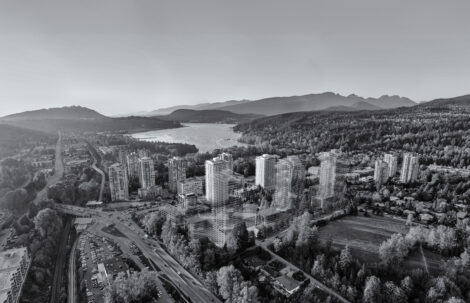
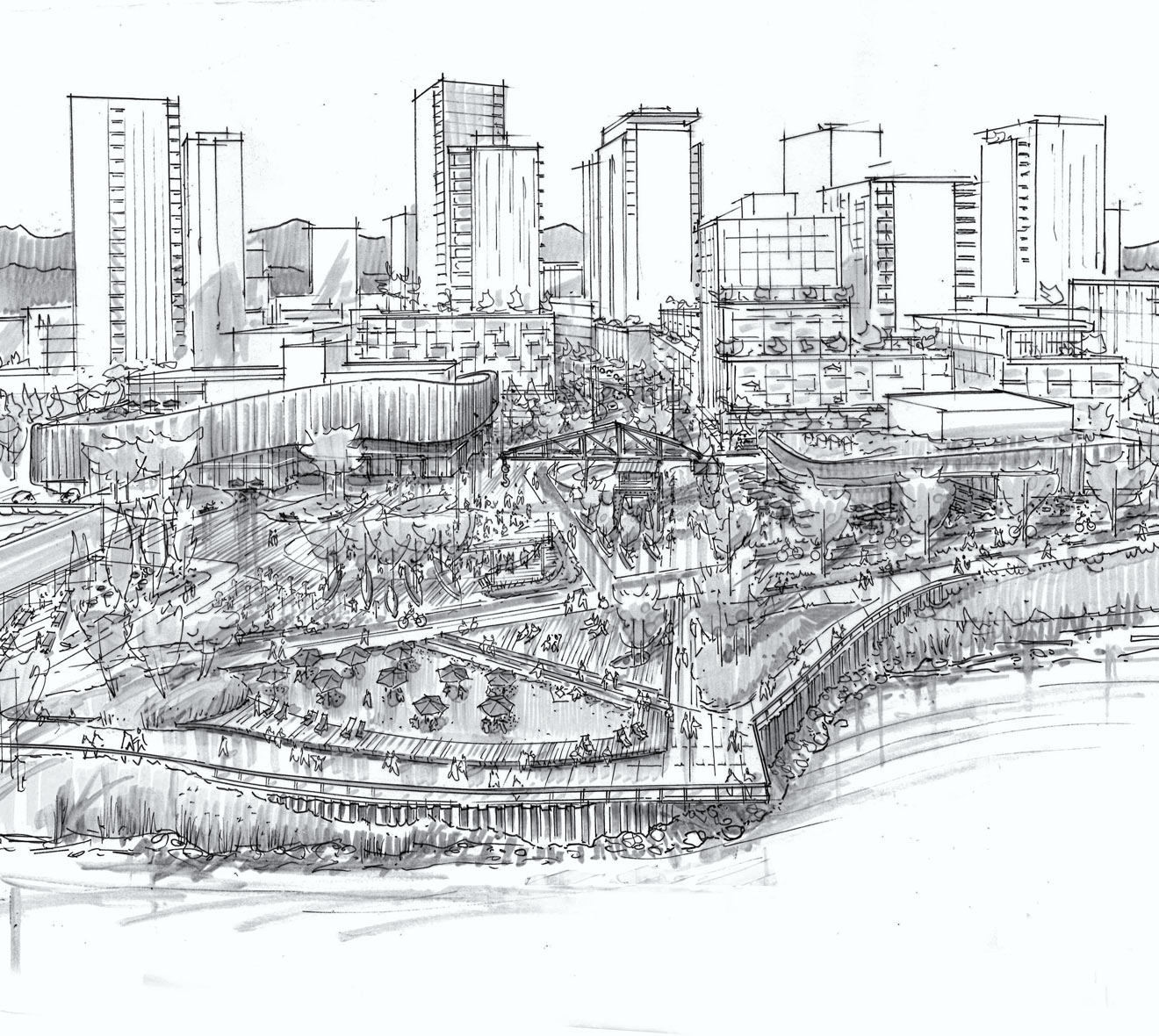
Urban design and planning are essential to the creation of healthy vibrant cities. Because of this, we believe in focusing our practice on the large and small city-making undertakings that truly make a difference. We combine this with our core architectural practice to continue our goal of creating locally focused vibrant communities. In our work we have also found that smaller oftentimes forgotten, communities, especially some First Nations communities, benefit greatly from this wholistic approach.

We believe that the best urban environments are vibrant, sustainable, walkable, and designed to grow with the community itself. We work closely with our clients and partners to bring their vision to life, creating joyful, livable neighbourhoods and connected communities.
Dow Avenue

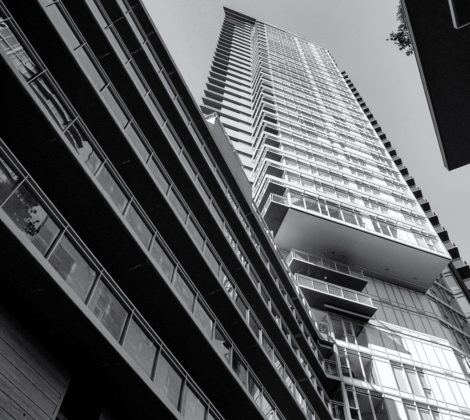
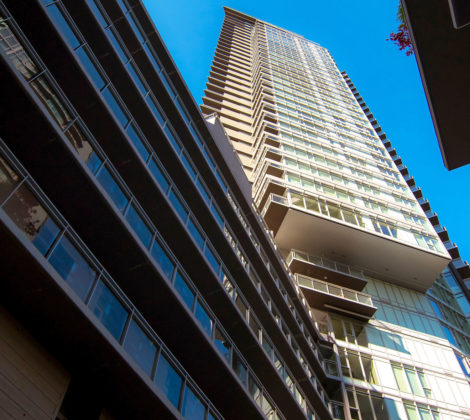
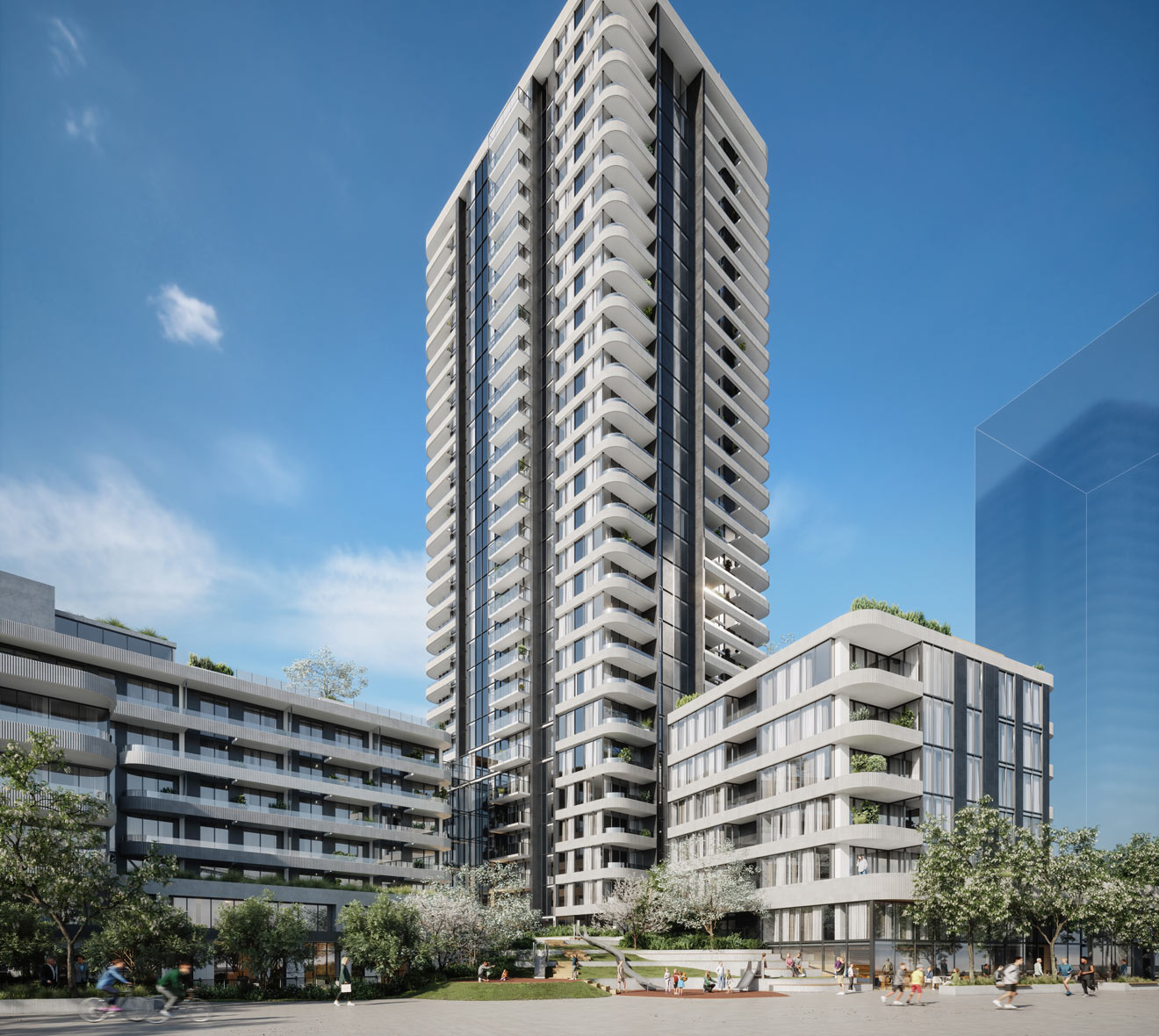
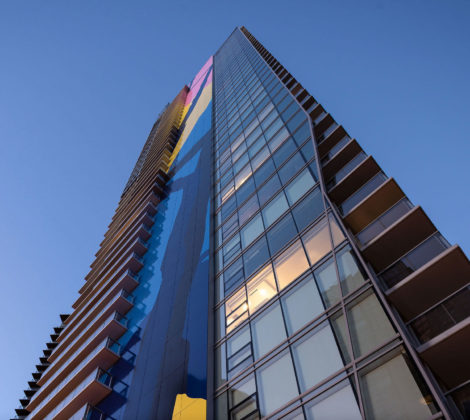
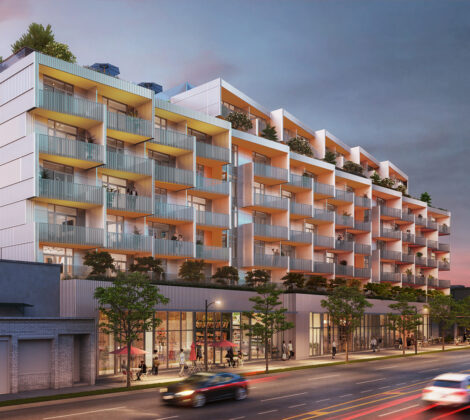
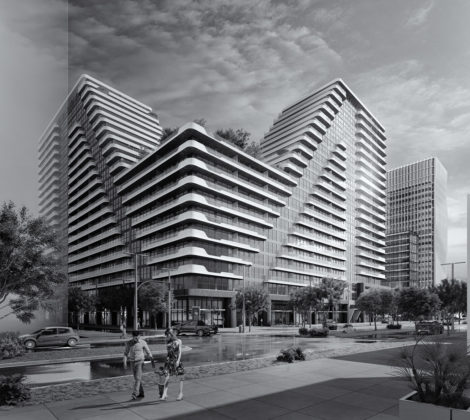
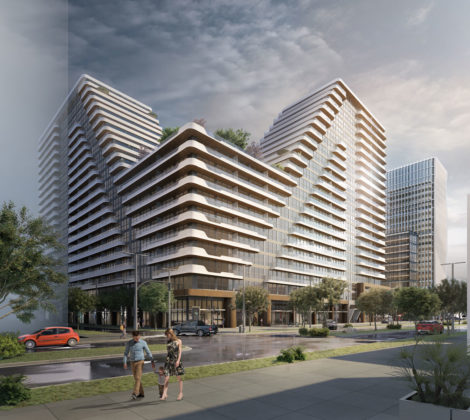
6465 Dow Ave is designed around activating all street edges, in particular Dow and Beresford with multiple uses and access points. Pedestrian scale design characterizes the retail and low-rise residential edges. The tower lobbies also engage with the pedestrian realm with gracious and protected entries. Building edges are set back creating spaces for patios and a generous landscaped boulevard.
The dynamic and active treatment continues up the façade where generous horizontal residential decks weave against the vertical forms, providing ample outdoor utilization for residents while also providing dramatic architectural colour, shape, and shadow to the towers. The overall feel of the project is welcoming and urban. The towers themselves are elegant and simple silhouettes that will contribute to the character of the emerging Maywood and Metrotown neighbourhood.
Mission Master Plan

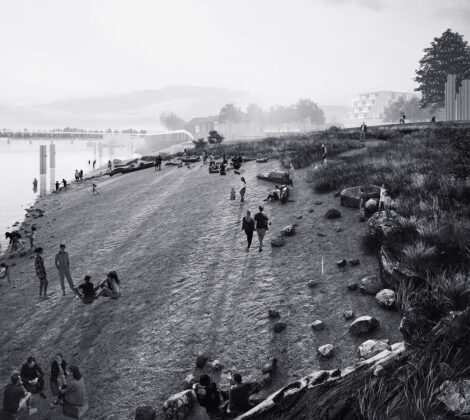
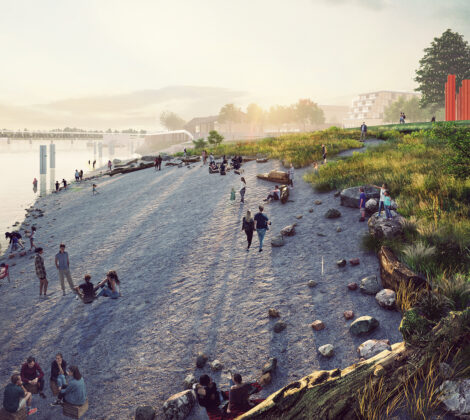
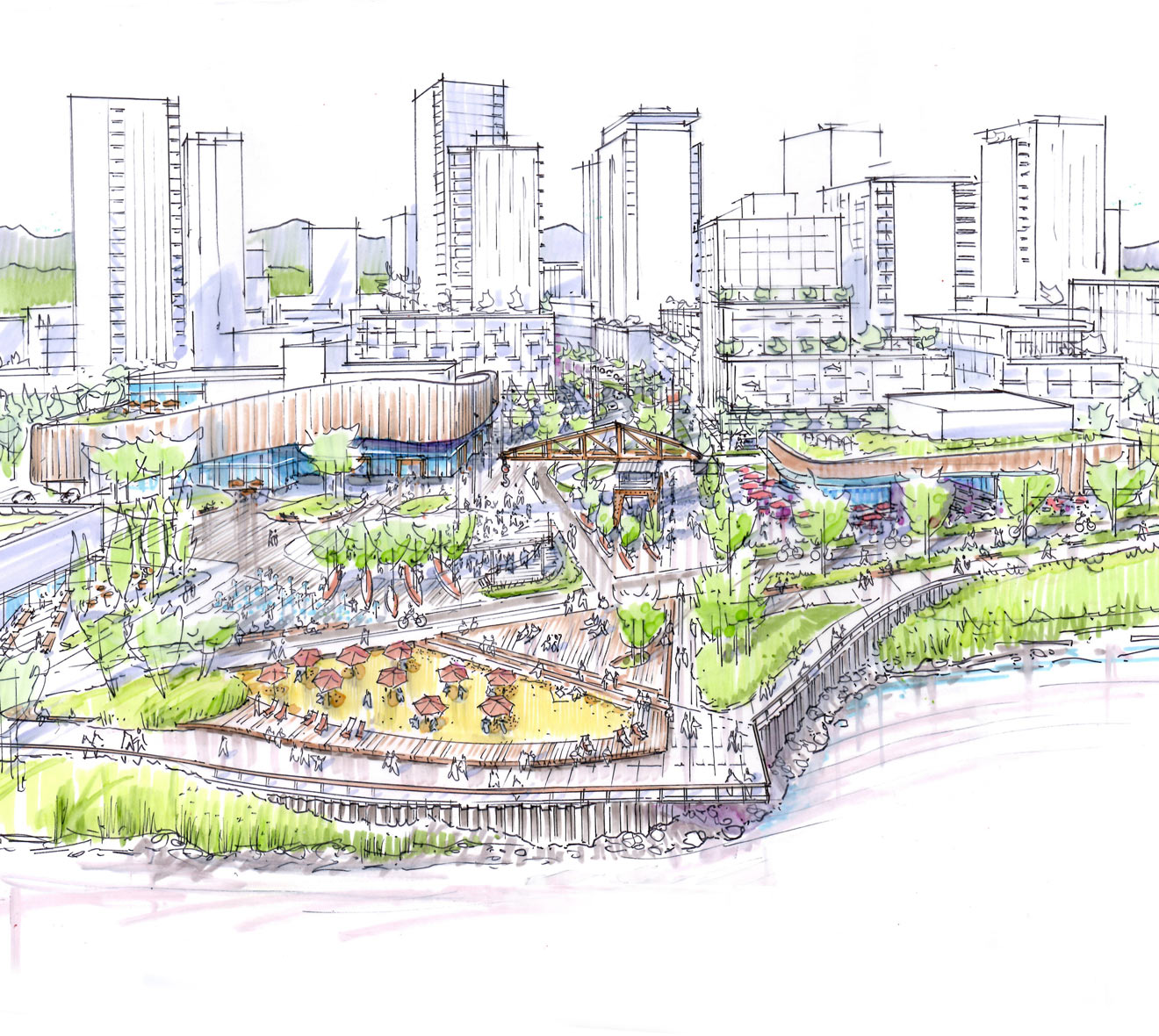
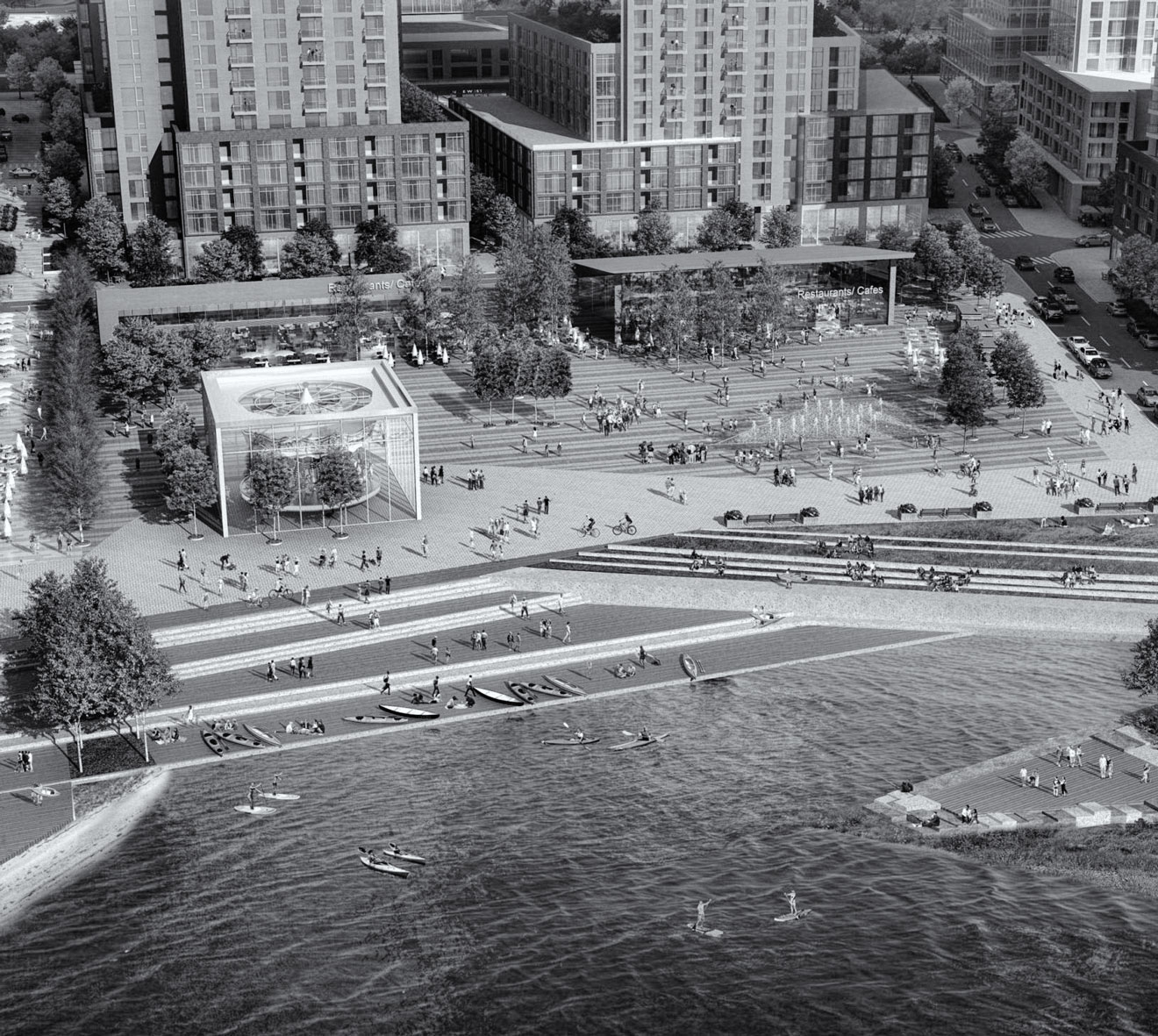
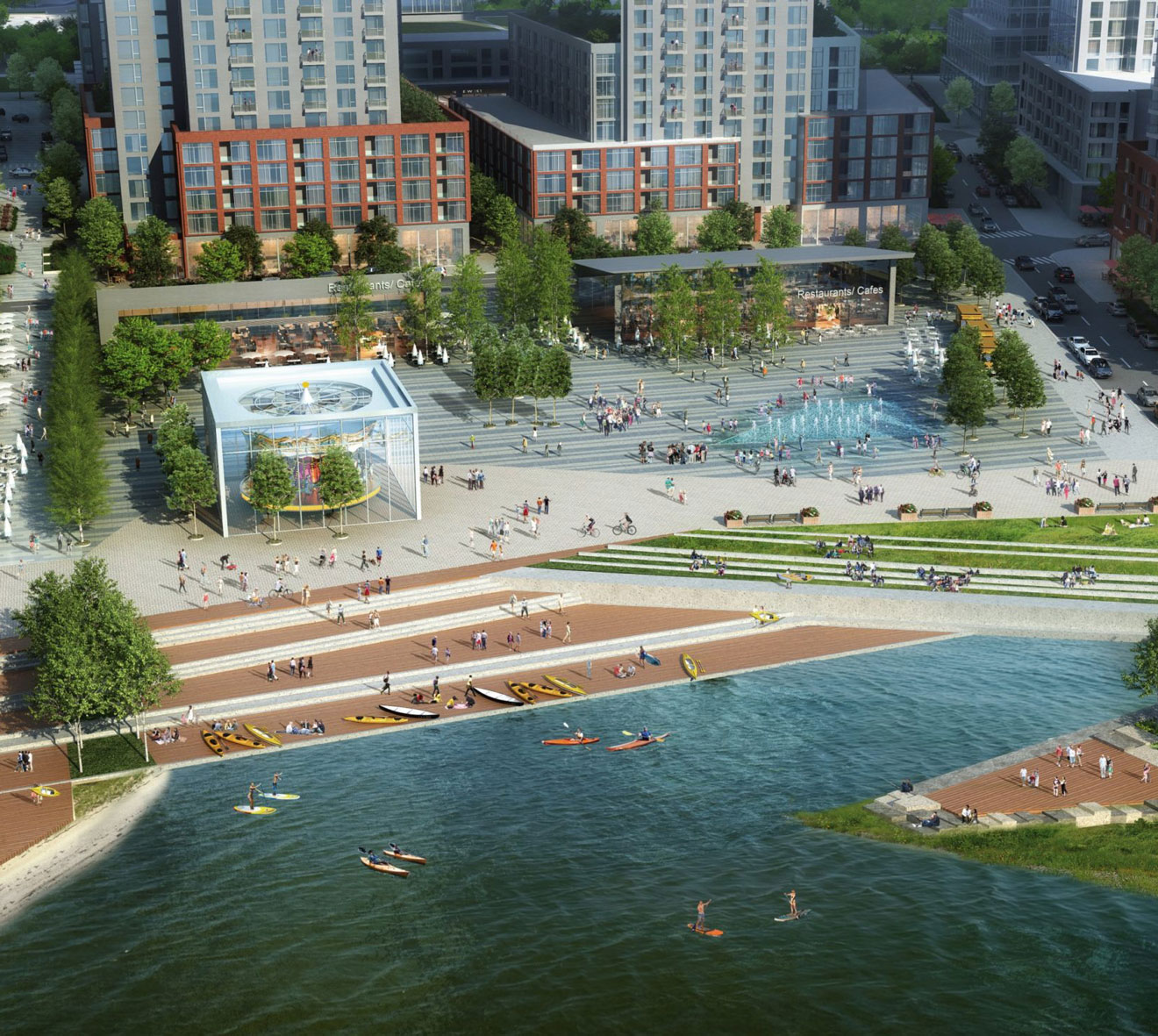
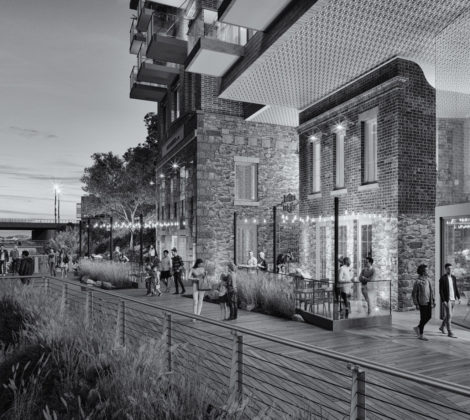
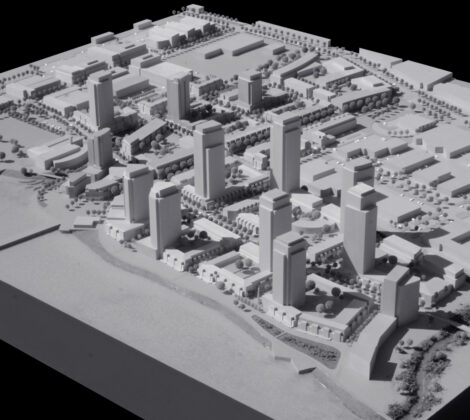
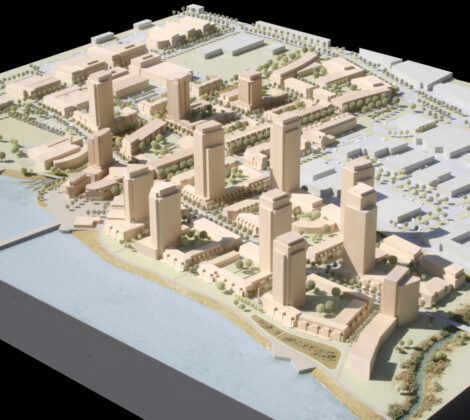
We had the opportunity to collaborate with O2 Planning and Design on the Waterfront Revitalization Master Plan for City of Mission. Bound by the Fraser River to the south and Lane Creek, Highway 11, and the CPR mainline to the north, the project area spans over 3.5km of river frontage and 296 acres of land. The design process placed emphasis on ensuring that the Master Plan is viable and implementable while still presenting a visionary future for the Waterfront. This Master Plan will create a place for new jobs, establish the City’s vibrant urban heartbeat, and build a renewed cultural and ecological connection with Downtown and nature on the Waterfront.

Intentionally complementing Mission’s historic downtown, the Waterfront brings a new identity and urban energy to the City without compromising the parts residents already love most. The Master Plan will preserve and enhance the natural elements of the Waterfront and improve the ecological integrity of areas where it has been diminished, creating opportunities for everyone to touch the water on naturalized shorelines and experience the region’s stunning nature from a more protected and ecologically integrated vantage point.

Vanness

Located near Joyce-Collingwood Skytrain Station, this mixed-use project aims to provide 679 secured rental units (including 35% family housing), a public daycare, vibrant local retail along Vanness Avenue, and a mid-block connection through the site to enhance the neighbourhood’s connectivity.

The architectural expression draws on local features and landmarks to inform the massing and character of the building, with the tapered profile of the twin-tower form invoking a valley opening to the sky as a nod to the way the Expo Skytrain line cuts through the city. Inspired by the public art at Joyce-Collingwood Station, the joyful use of colour throughout the project draws the ground plane elements across Vanness Avenue and into the site to animate the public realm.

The Green House

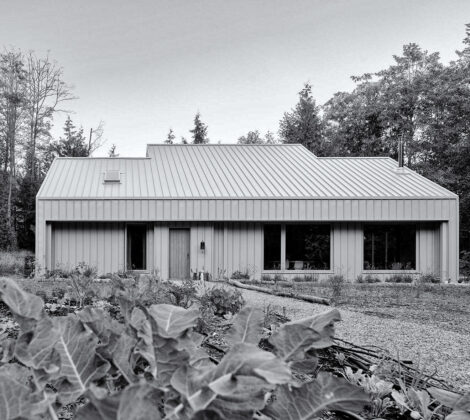
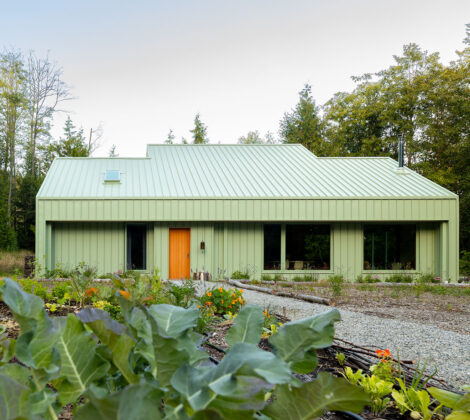
Tucked into a grove of trees, along a stream, at the end of a field on a small farm in Gibsons ‘The Green House’ strikes a familiar and modest architectural profile. This small family home is oriented to enjoy the views of the forest and field surrounding it. Entering from the west, the double-height entrance corridor divides the public and private areas of the home.

The private areas to the north enjoy intimate views of the trees and nearby creek while the main gathering and living space on the south has generous glazing and doors out onto the south-facing outdoor patio. Overlooking the living space is a mezzanine with an office and peek-a-boo tree top views from a pair of windows.

Strathcona VPL/YWCA

The necá?mat ct Strathcona VPL/YWCA ‘Cause We Care House’ Project is a joint project of the City of Vancouver, the Vancouver Public Library, and the YWCA. The building integrates three components: a new Library Branch, 21 affordable family housing units, and program space for single mothers and their children operated by the YWCA.

The new Library Branch serves the Downtown Eastside, Strathcona, and Chinatown areas. It provides full library services including a book collection, computers, a children’s programming space, a teen programming space, multipurpose meeting spaces, a maker-space, reading areas, and library staff workspace. The project achieved LEED™ Gold Certification.

The architecture was conceived to present a welcoming, double-storey ‘living-room’ open to Hastings Street.

The striking faceted glazed library frontage stands out on the block of commercial storefronts to signal its intention to engage with the neighbourhood. A second-storey meeting room that is shared by all uses and can be rented by the public is cantilevered over the sidewalk and main entrance to be seen and to project its public function into the street. A neon VPL sign celebrates the local retail signage and character of East Hastings street and its landmarks like the Astoria and Ted Harris Paints. Robust but refined materials, brightly coloured balcony elements, and outdoor amenities on the laneway side help to add vibrancy to the area and distinguish the building as a local landmark and community amenity.

Adrian Politano was responsible for design development, entitlement documentation, and construction documentation.

Southlands Residence

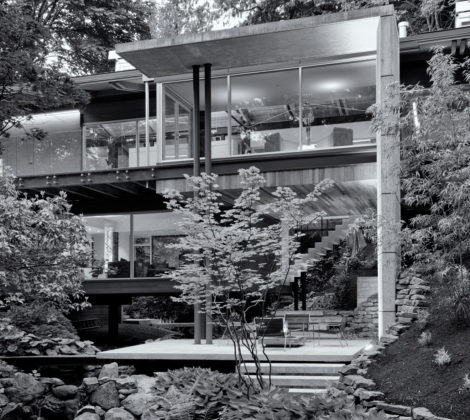
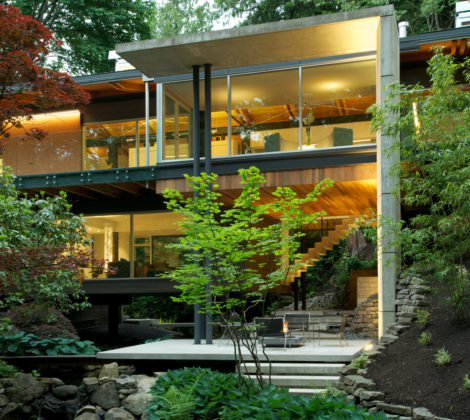
The Southlands residence began as a renovation and became a complete reimagining of a house on stilts straddling a ravine in South Vancouver. Divisions between inside and outside dissolve through an open plan that expands outwards through slide-away glass walls, extended eaves, bridges, and decks that all hover above and extend into the landscape. From the main living space above, a glass-enclosed steel stair descends to additional living space suspended over the creek and finally touches down to a water-side platform below a soaring concrete buttress that anchors the home to the site.

Alan Boniface was the principal in charge and lead designer. Adrian Politano was the design architect, project manager, and design lead, overseeing all aspects of design, document production, and construction.

The Park

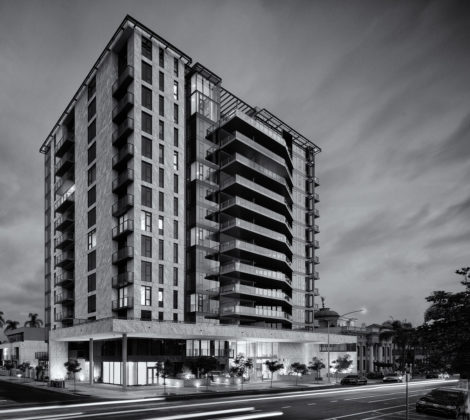
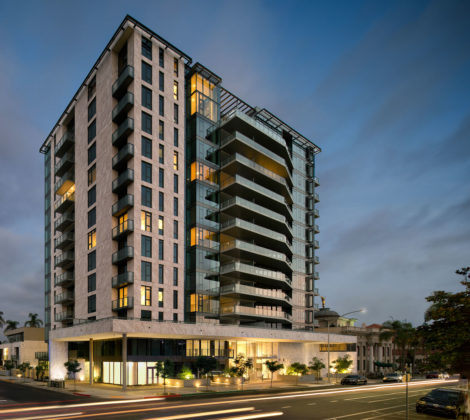
Located in the Bankers Hill area of San Diego, this 14-storey mixed-use building focuses on creating a high-quality public edge in this growing urban neighbourhood. At the Park in San Diego, we brought lessons learned in Vancouver about public realm and the thresholds between private and public to a site overlooking Balboa Park in the Bankers Hill area.

Townhomes, lobby, and retail spaces present an openness and willingness to engage with the street that is unusual for this growing urban district.

Private courtyards, sweeping balconies, generous amenities, and stunning views in all directions make the residences stand out, while refined materials, details, and approach to the sidewalk help it to fit in. The building set a new standard for urban private and public spaces in the city.

Alan was the principal in charge. Adrian was a co-design architect, and Shane was the on-site architect. They participated in all aspects of the project from beginning, through construction, to project completion.

Harlin

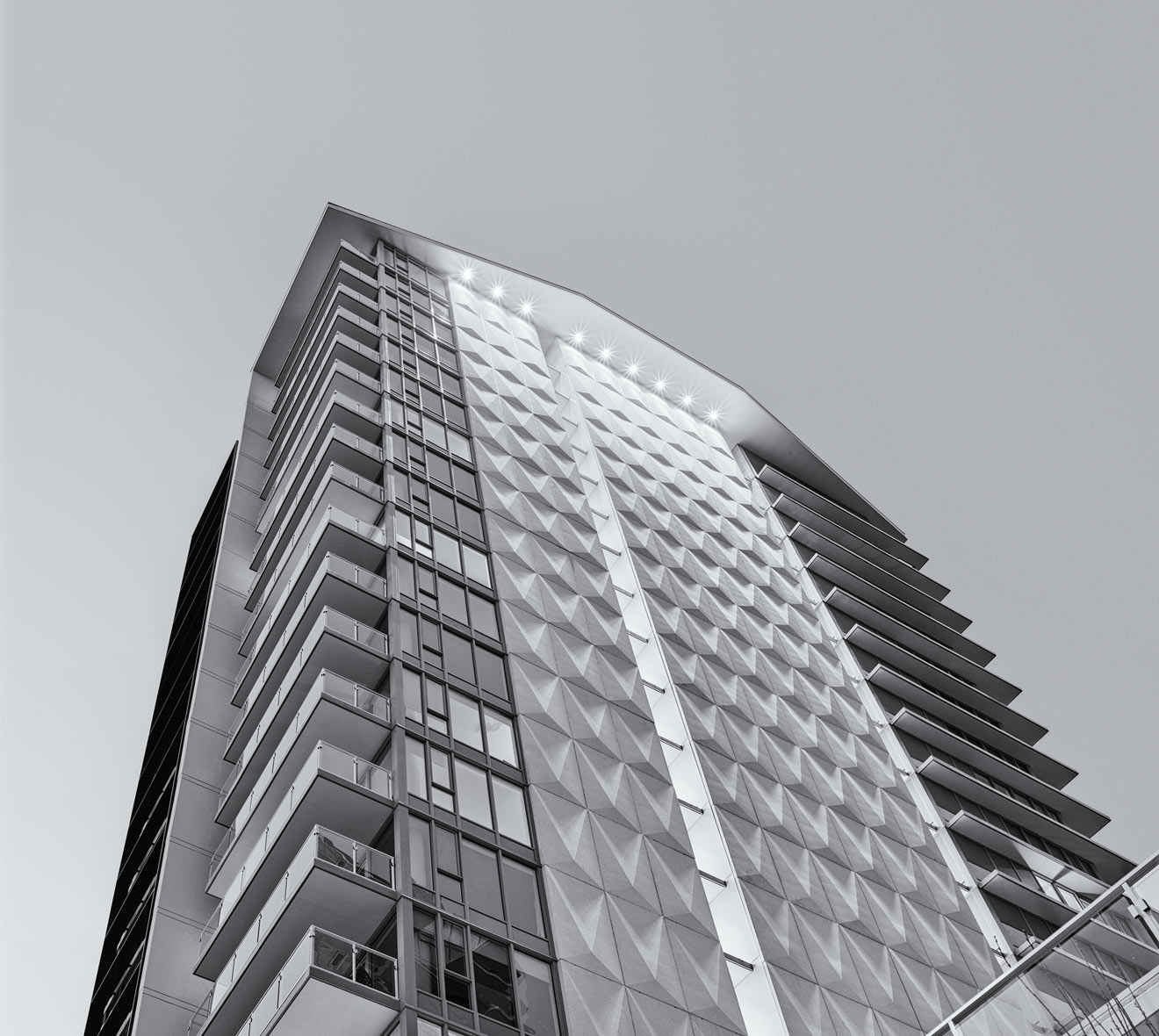
Harlin (River District Parcel 29) is a gateway tower to the waterfront precinct of the River District. It will function as both a conduit and a platform for the emergent urban life of the waterfront area. The courtyard space between Parcel 29 and Parcel 30 to the south will act as an important public space for local residents. We have imagined the building edges and courtyard spaces as moments of interference to the predominant flow of people running north south along river district crossing. Inspired by the river ‘Eddy’ we imagine that the spaces around the building can offer opportunities for people to pause and to gather.

The central public space is a critical gathering area for the neighbourhood, connecting to the future public areas to the south and the future community centre. The central courtyard is characterized by a terraced grassy knoll that offers a unique connectivity to the adjacent building edges adjacent to it. The ‘rippled edges’ of the cast-in-place ribbed façade profile reference the site’s history in the heavy logging industry and proximity to the Fraser River.

Ardea

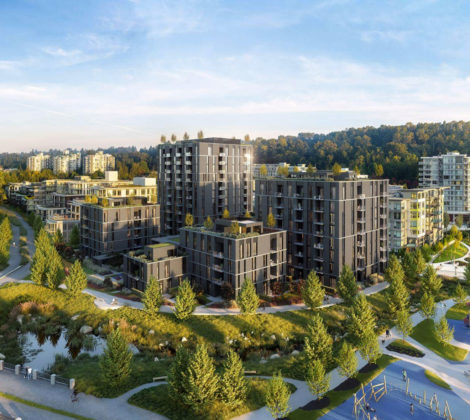
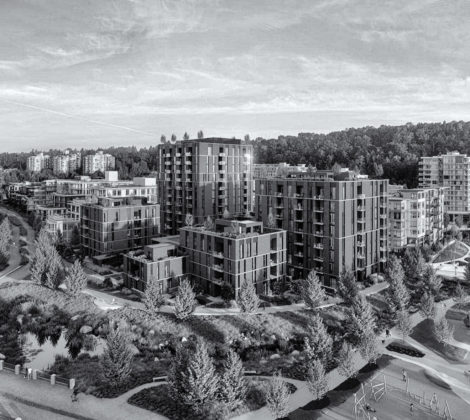
Ardea is located in the southwest precinct of Area 2 of the East Fraser Lands. This precinct’s identity draws from its naturalistic setting and the established appeal of the Kerr Street pier. Eight blocks frame a gently curving east-west street envisioned as a richly landscaped pedestrian-friendly environment. Terraced mid-rise blocks frame a series of generous garden spaces opening onto the foreshore and modulate the streetwall along the Kent Avenue corridor.

Ardea sits at the eastern end of Riverwalk Ave and adjacent to the future Kinross Park. It is also bound by the Fraser River and foreshore walkway to the south. The project is envisioned as a series of building pavilions within the landscape. The lush, naturalized landscape is welcomed into the site and abuts each building. The simple rectilinear forms of the buildings are situated as a counter point to this organic landscape.